The Continuity of Cultural Mutation
2025
Location
Emily Carr University
Artists on Display
Tami Han
About
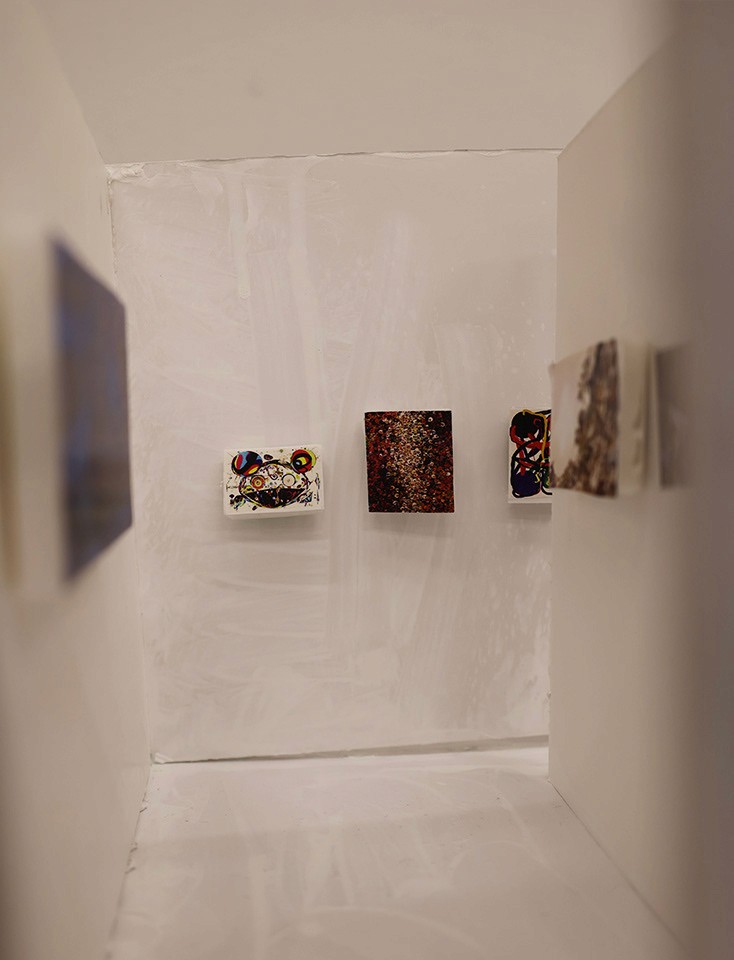
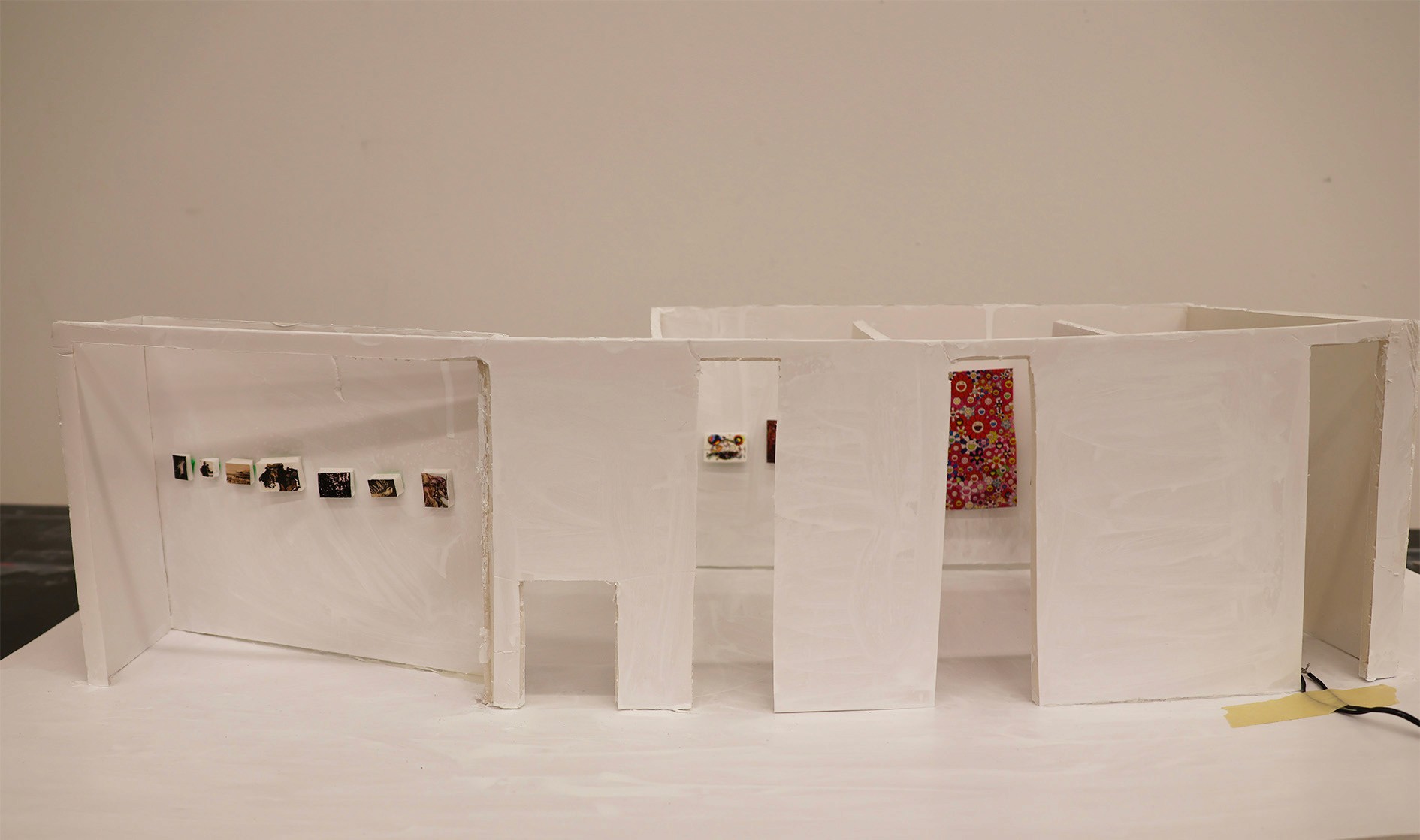
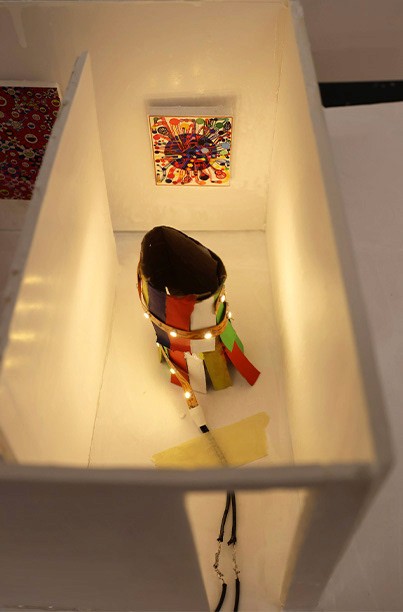
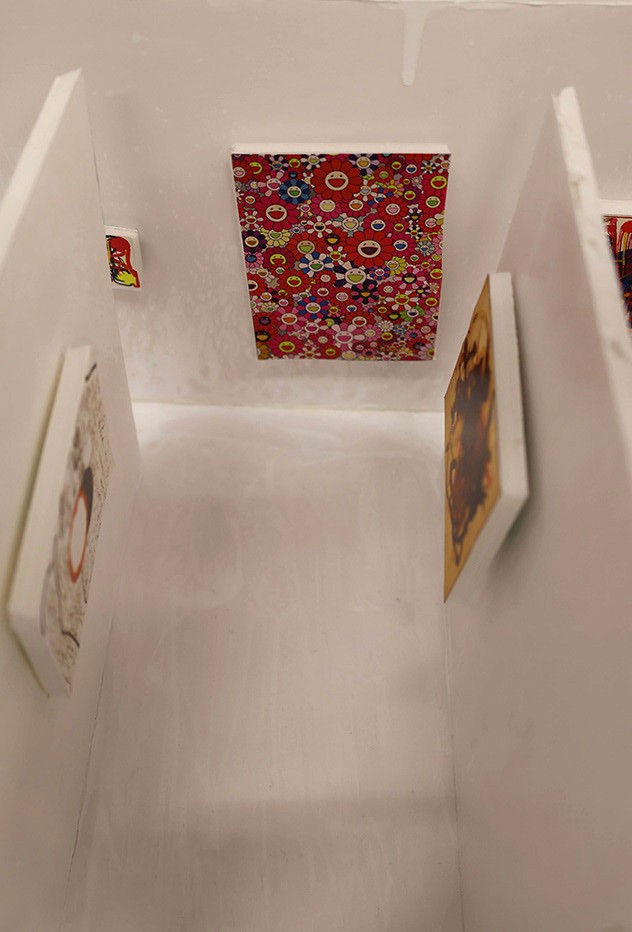
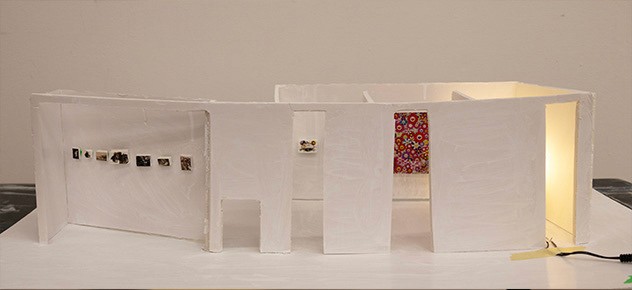
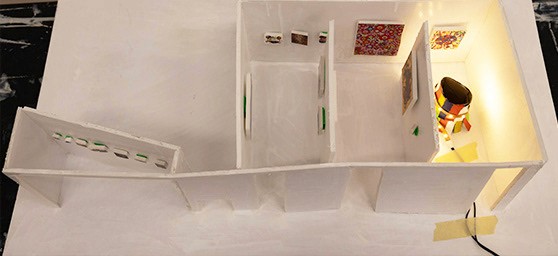
"The Continuity of Cultural Mutation in Japan" is a thematic exhibition curated by Tami Han that explores how the introduction of nuclear weapons impacted Japanese culture and art paradigms from 1945 to the early 21st century. This impact is represented through various art media, including painting, media art, and photography. Although Japan had already experienced Westernization during the Meiji Restoration in 1868 (Wang, 2023), the post-WWII modernization was heavily influenced by American-style democracy and ideals, which were abruptly implemented into Japanese culture. This resulted in a chain reaction of cultural disconnection within Japan. (Hal, 2016). By delving into the concept of humanity’s potential to destroy cultural connections, this exhibition highlights the underlying issues of mutation—not only in a biological sense but also as a cultural phenomenon—emphasizing the continuity of cultural mutation into contemporary times.
"The Continuity of Cultural Mutation" in Japan brings together an assemblage of paintings, photographs, and media art to evoke the concept of cultural mutation envisioned in Japanese art, pioneered by the Gutai Movement, where freedom of expression was promoted in post-war Japan. In parallel to American Abstract Expressionism, the Gutai movement emphasized using one’s body as an extension of artistic creation and sought to break free from the militaristic conventions that had ruptured Japanese society. In Takashi Murakami’s Superflat movement, key characteristics of 2D images with bold, cartoony outlines, paralleling American cartoon modernity, are regenerated further—like a fission reaction—resulting in claustrophobic, mutant anime characters portrayed without natural perspective. Japanese photography also pivoted, capturing the horror of the atomic bomb and changing discourse by focusing on themes of suffering, resilience, and continuity, especially concerning hereditary diseases.
Additionally, Japanese anime began to address philosophical inquiries about life and death, strongly connected to the acquisition of nuclear power and its potential for both creation and destruction, which directly impacted Japan. The exhibition poses questions regarding the shift in Japan's art paradigm, such as: How did the central theme of Japanese art transform into a more existential one after the fall of Hiroshima and Nagasaki, emphasizing the fragility of human life in relation to the absolute power of nuclear weapons?